

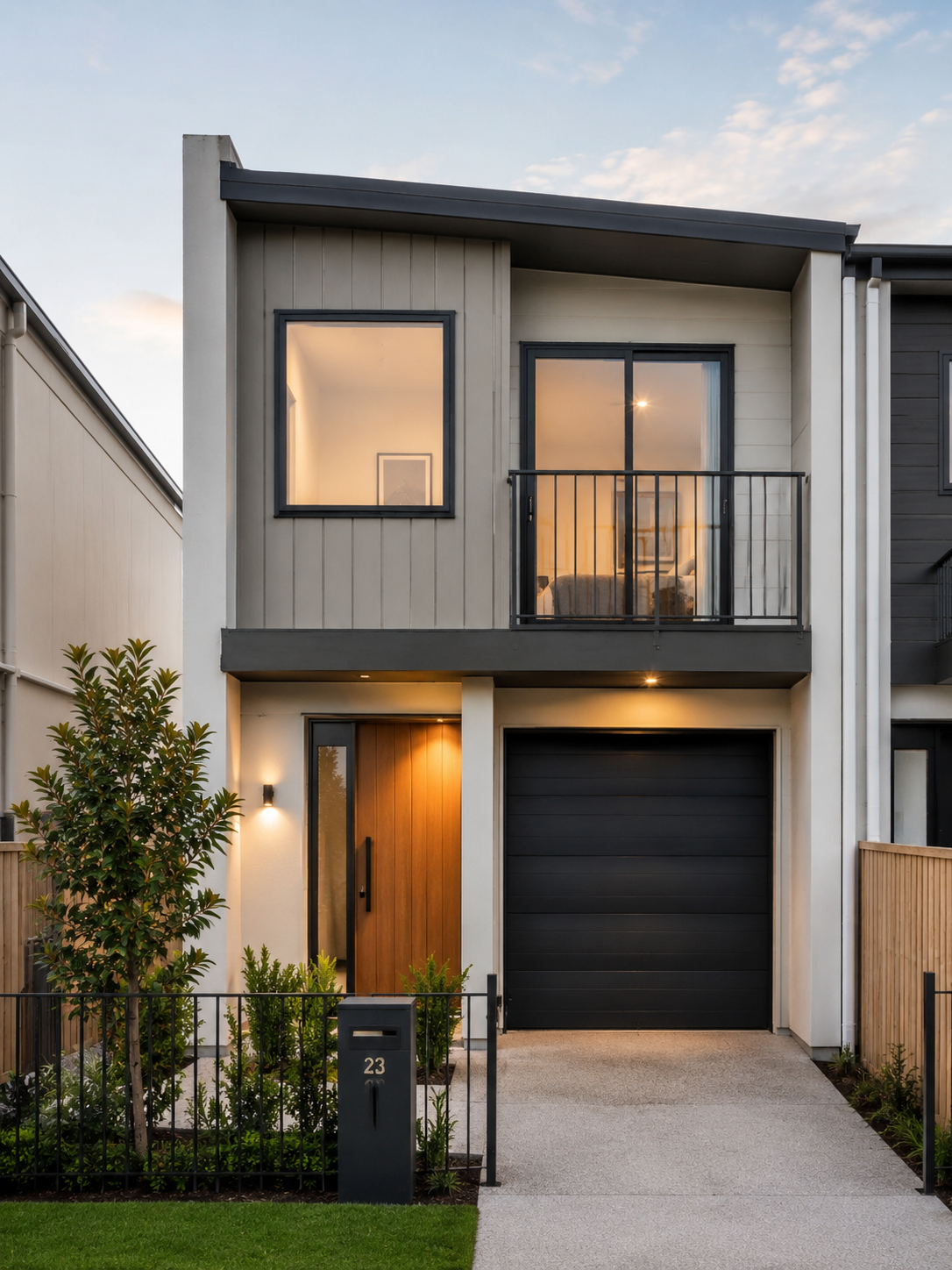
practical guide to getting mortgage-ready, understanding your deposit, securing pre-approval and moving from your first enquiry to the keys.
Buying your first home is a big step. It can also feel much simpler when you know what happens next.
If you\'re a first home buyer in New Zealand, you don\'t need to have everything worked out before you begin. Start with your financial position, understand your options and work through the process one step at a time.
Your First Home Buying Roadmap
01 Know your numbers
02 Build your deposit
03 Get mortgage-ready
04 Get pre-approval
05 Find your home
06 Make an offer
07 Settle and get the keys
1. Are You Ready to Buy Your First Home?
Before you start scrolling through property listings, take a clear look at your current financial position.
Income What comes into your household each month?
Expenses What do you need to allow for everyday life?
Debt What loans, credit cards or other commitments do you already have?
Savings How much have you built towards your deposit and buying costs?
There is a difference between what a lender may let you borrow and what you should feel comfortable borrowing. Your budget should leave room for unexpected costs and changes in your circumstances.
2. How Much Deposit Do You Need?
A 20% deposit is a common benchmark, but it isn\'t necessarily the only route into home ownership. The deposit you need depends on your circumstances, the property and the lender.
What can make up your deposit?
Depending on your circumstances and lender requirements, eligible deposit funds may include KiwiSaver savings (if eligible), personal savings, gifted funds from family, term deposits and other eligible funds accepted by the lender. Different lenders can have different requirements around the source and history of funds.
Can you buy with a 5% deposit?
Potentially. Eligible first home buyers may be able to use the Kāinga Ora First Home Loan with a 5% deposit through participating lenders. Eligibility and lender criteria apply.
3. Get Mortgage-Ready
Having a deposit is only one part of a first home buyer mortgage application. Lenders may consider your income, employment, household expenses, existing debts, credit commitments, deposit, credit history, the proposed property and your ability to service the loan.
4. How Much Can a First Home Buyer Borrow?
There isn\'t one universal answer. Lenders assess applications differently and consider your income alongside expenses, debt and affordability.
What is LVR?
LVR, or loan-to-value ratio, compares the amount you borrow with the value of the property. For example, borrowing $560,000 against a $700,000 property is an 80% LVR.
What is DTI?
DTI, or debt-to-income ratio, compares debt with gross annual income. DTI restrictions can affect new residential lending, while banks also apply their own affordability and lending criteria.
The big takeaway: Your deposit is important — but it is only one part of the mortgage puzzle.

Mortgage Advisors can help you explore home-loan options based on your individual circumstances, understand potential lending options and prepare for the mortgage application and pre-approval process.
You do not need to have a house picked out before you make an enquiry. Starting with your financial position can help you understand what your next step could be.
5. Get Mortgage Pre-Approval
Pre-approval can give you a clearer idea of your potential borrowing position and the price range you may be able to consider.
Pre-approval is not necessarily unconditional. The lender may still need to assess the specific property, confirm information or satisfy other conditions before lending is finalised.5. Get Mortgage Pre-Approval
Pre-approval can give you a clearer idea of your potential borrowing position and the price range you may be able to consider.
7. Budget for Costs Beyond the Deposit
Your deposit is not your entire home-buying budget. Depending on the property and transaction, you may need to allow for legal or conveyancing fees, building inspection, valuation, LIM or property reports, moving costs, insurance, rates, lender fees, potential low-equity costs and immediate repairs or maintenance.
8. Make an Offer
Your solicitor or conveyancer can advise you on the legal aspects of the sale and purchase agreement and any conditions you may need. Your mortgage adviser can help with the finance side.
Having pre-approval does not automatically mean every property will be accepted by the lender. The lender may still need to assess the property and satisfy its lending conditions.
9. Settlement Day: From Approval to Keys
- Conditions met
Finance and other agreed conditions are completed.
- Finance finalised
Your lender completes the required lending process.
- Settlement
Your solicitor or conveyancer coordinates the legal side of the transaction.
- Keys
Once settlement is complete, you can finally move into your first home.
Common First Home Buyer Mistakes to Avoid
1.Starting with the property search. Understand your borrowing position before falling in love with a home.
2. Assuming you need exactly 20%. Some first home buyers may qualify for lower-deposit lending.
3. Forgetting additional costs. Your deposit is not your entire home-buying budget.
4. Taking on new debt. A new financial commitment could affect your overall position
5. Relying on old information. Lending rules and government schemes can change.

Whether you are just starting to save or are ready to look at mortgage options, Mortgage Advisors can help you understand your position and the next step.
Enquire About Your First Home
Tell Mortgage Advisors a little about your situation and we can help you take the next step.
First Home Buyer FAQs
How much deposit do I need to buy my first home?
For a first home buyer, it depends on your circumstances, the lender and the property. A 20% deposit is a common benchmark, but some first home buyers may qualify for lower-deposit lending.
Can I use KiwiSaver for my first home?
If you\'re eligible, KiwiSaver savings may be able to help with your first-home purchase. The amount and availability depend on your circumstances and the applicable requirements.
How much can a first home buyer borrow?
Your borrowing capacity depends on income, expenses, existing debts, deposit, credit history and the lender\'s affordability assessment. LVR and DTI requirements may also affect lending.
Can I buy a home with a 5% deposit?
Potentially. Eligible borrowers may be able to use the Kāinga Ora First Home Loan with a 5% deposit through participating lenders
Should I get pre-approval before looking for a house?
Pre-approval can help you understand your potential borrowing position before making an offer, although conditions may apply and the property may still need to be assessed.
Is a mortgage adviser worth using for a first home?
A mortgage adviser can help you understand your lending position, options and the mortgage application process.
Ready to take the first step? Mortgage Advisors helps clients explore home-loan options based on their individual circumstances, with support through the lending process from enquiry to settlement.
Home lending is subject to lender criteria, responsible lending requirements and approval. Government schemes and lending rules can change, so eligibility and availability should be confirmed at the time of application.


