

There is no formula that guarantees mortgage approval, but good preparation can put you in a stronger position. Your lender may look at your deposit, debts, expenses, income, credit position, serviceability and the property you want to buy.
Applying for a home loan is a major step towards buying a property. Before you start making offers, it helps to understand where you stand financially and what lenders may assess. Your income is only one part of the picture; lenders may also consider your deposit, debts, regular expenses, credit facilities, employment position and ability to service the proposed loan
1. Understand Your Financial Position Before You Apply
Start with a clear picture of your income, savings, regular expenses, debts, credit limits and other commitments. You should also think about the level of mortgage repayment that would be comfortable for your household—not simply the maximum amount you hope a lender will approve.
Borrowing Capacity Is About More Than Income
Two people earning the same salary can have very different borrowing positions. One may have minimal debt, while the other has car finance, a personal loan and several credit cards. Lenders look at the overall position rather than salary alone.

2. Build Your Deposit
A larger deposit generally reduces the amount you need to borrow and lowers your loan-to-value ratio (LVR). For example, on a $700,000 purchase with a $140,000 deposit, the proposed lending would be about $560,000 before other costs—an 80% LVR.
Can You Get a Home Loan With Less Than a 20% Deposit?
Potentially. Having less than a 20% deposit does not automatically mean you cannot obtain a home loan. Availability depends on lender criteria, applicable restrictions, your financial position and the property.
Where Can Your Deposit Come From?
- Personal savings
- KiwiSaver where eligible
- Gifted funds
- Equity in another property
- Proceeds from selling another property
- Other acceptable sources
3. Review Your Existing Debts
Existing debt can reduce borrowing capacity. This can include personal loans, car finance, credit cards, store cards, Buy Now Pay Later facilities, overdrafts, student loans and existing mortgages.
Reducing certain debts can improve your position in some circumstances, but do not automatically use all of your savings to repay debt without considering the effect on your deposit, emergency buffer and overall strategy.

4. Review Your Credit Cards and Credit Limits
A credit card can matter even when very little is owing. A lender may consider the available credit facility when assessing commitments. If you have cards or revolving facilities you no longer need, it can be worth reviewing them before you apply.
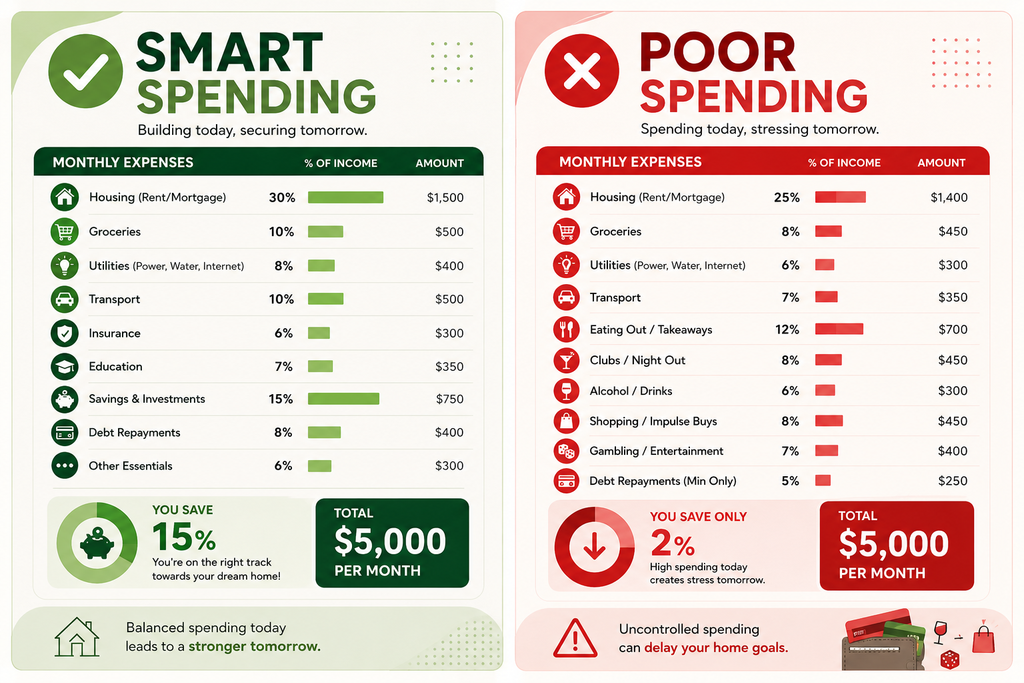
5. Understand Your Regular Expenses
Before applying for a mortgage, take time to understand your household spending. This can include groceries, electricity, internet and mobile phones, insurance, transport, childcare, education, rates, body corporate fees, subscriptions, debt repayments and other regular commitments.
Important question: Can I comfortably afford the proposed mortgage repayments?
Be accurate about your expenses. Mortgage preparation is not about making your finances look perfect; it is about understanding them clearly.
6. Keep Your Income Evidence Organised
Your lender will need to verify the income being used for the application. Depending on your situation, this may include recent payslips, bank statements showing salary credits, an employment agreement, or further employment confirmation.
What If You Have Variable Income?
Tell your mortgage adviser if you receive overtime, bonuses, commission, allowances or secondary income. A lender may need additional evidence before deciding whether that income can be included in its servicing assessment.
What If You’ve Recently Changed Jobs?
Starting a new job does not automatically prevent you from obtaining a mortgage, but the lender may want to understand whether the role is permanent, whether you are on probation, whether your hours are guaranteed and whether your income is fixed or variable.
7. Prepare Early If You’re Self-Employed
Self-employed applicants can obtain home loans, but income evidence can be different. Depending on the lender, you may need financial statements, tax information, business bank statements, accountant-prepared information or evidence of current trading.
8. Check Your Credit History
Your credit history may form part of the lender’s assessment. If something appears incorrect, investigate it before the mortgage application progresses. Past credit problems do not necessarily mean home ownership is impossible, but it is better to discuss known issues openly with your adviser.
9. Get Your Mortgage Documents Ready
- Identification: passport, driver licence or another acceptable form of ID.
- Income evidence: payslips, bank statements, employment information or self-employed financial information.
- Bank statements: statements or transaction histories for relevant accounts.
- Debt information: personal loans, credit cards, car finance and other lending.
- Deposit evidence: savings statements or evidence showing where deposit funds came from.
- Property information: once you have found a property, the lender may require the Sale and Purchase Agreement and other property details.

10. Consider Home Loan Pre-Approval
Pre-approval can give you an indication of the amount a lender may be prepared to consider, subject to conditions. It can help you focus your property search within a more realistic price range and identify potential lending issues earlier.
Pre-Approval Is Not Unconditional Approval
Final approval may still depend on the property, valuation requirements, confirmation of financial information, your circumstances remaining acceptable and satisfaction of the lender’s other conditions.
What Do Lenders Look at When Assessing a Home Loan?
- Income: is it acceptable and sufficient under lender policy?
- Expenses: what are your ongoing household commitments?
- Existing debts: what other lending are you already responsible for?
- Deposit or equity: how much are you contributing?
- Credit position: what does your credit history show?
- Serviceability: can the proposed lending be serviced under the lender’s criteria?
- Property: is the property acceptable security for the lending?
What Is Mortgage Serviceability?
Serviceability is the lender’s assessment of whether you can afford the proposed mortgage. The lender may use a servicing or test rate rather than simply the advertised rate you expect to pay. Each lender has its own servicing calculations and criteria, so borrowing capacity can differ from one lender to another.
What If Your Home Loan Has Already Been Declined?
A decline from one bank does not necessarily mean every lender will reach the same decision. The first step is to understand why the application was declined. Possible reasons include serviceability, deposit or LVR requirements, credit history, existing debt, income treatment, property concerns, missing information or the application simply not fitting that lender’s policy.
How a Mortgage Adviser Can Help
A mortgage adviser cannot guarantee approval—the lending decision belongs to the lender. However, an adviser can help you understand your borrowing position, review your deposit and debts, work through the documents required, consider lender options and prepare the application with a clearer strategy.
Ready to Get Your Home Loan Application Moving?
Whether you’re buying your first home, moving, refinancing or investing, Mortgage Advisors can help you understand your borrowing position, consider lending options and prepare your application.
Frequently Asked Questions


