

You don’t always need to be debt-free to buy a home. Here’s how your current commitments can shape your next move.
Having a car loan, credit card balance or student loan doesn’t automatically stop you from getting a mortgage. However, existing debt can influence how much you can borrow and whether a lender believes you can comfortably manage the repayments.
The key is how your current commitments fit alongside your income and the cost of owning a home. Here’s what to understand before you apply.
Why lenders look at your existing debt
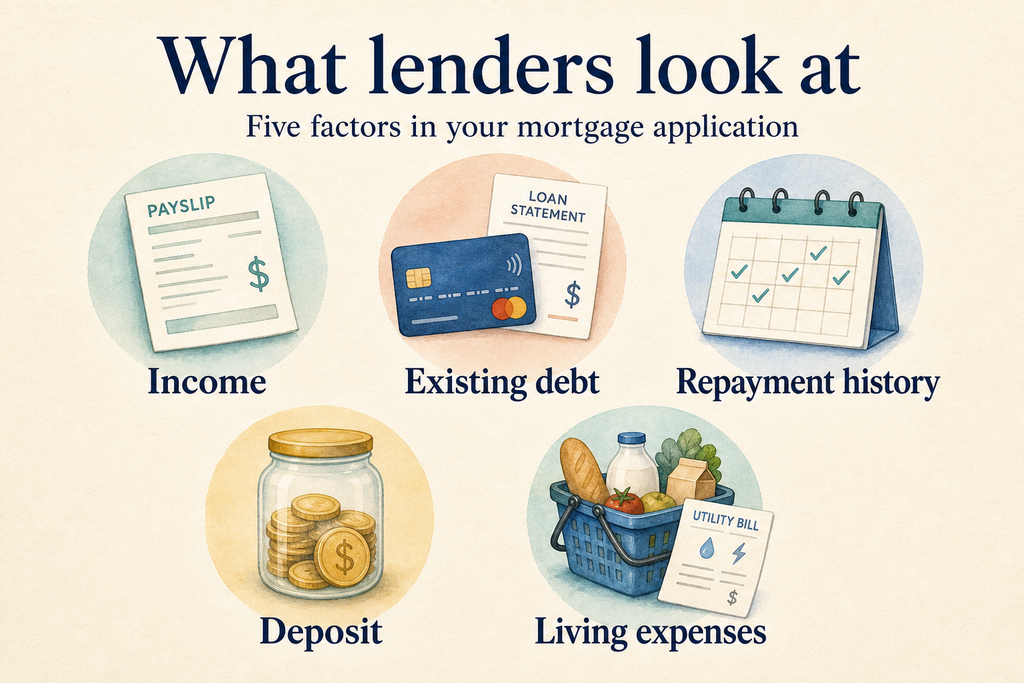
When assessing a mortgage application, lenders consider whether you can afford another financial commitment. Your existing repayments already use part of your income, leaving less available for a home loan.
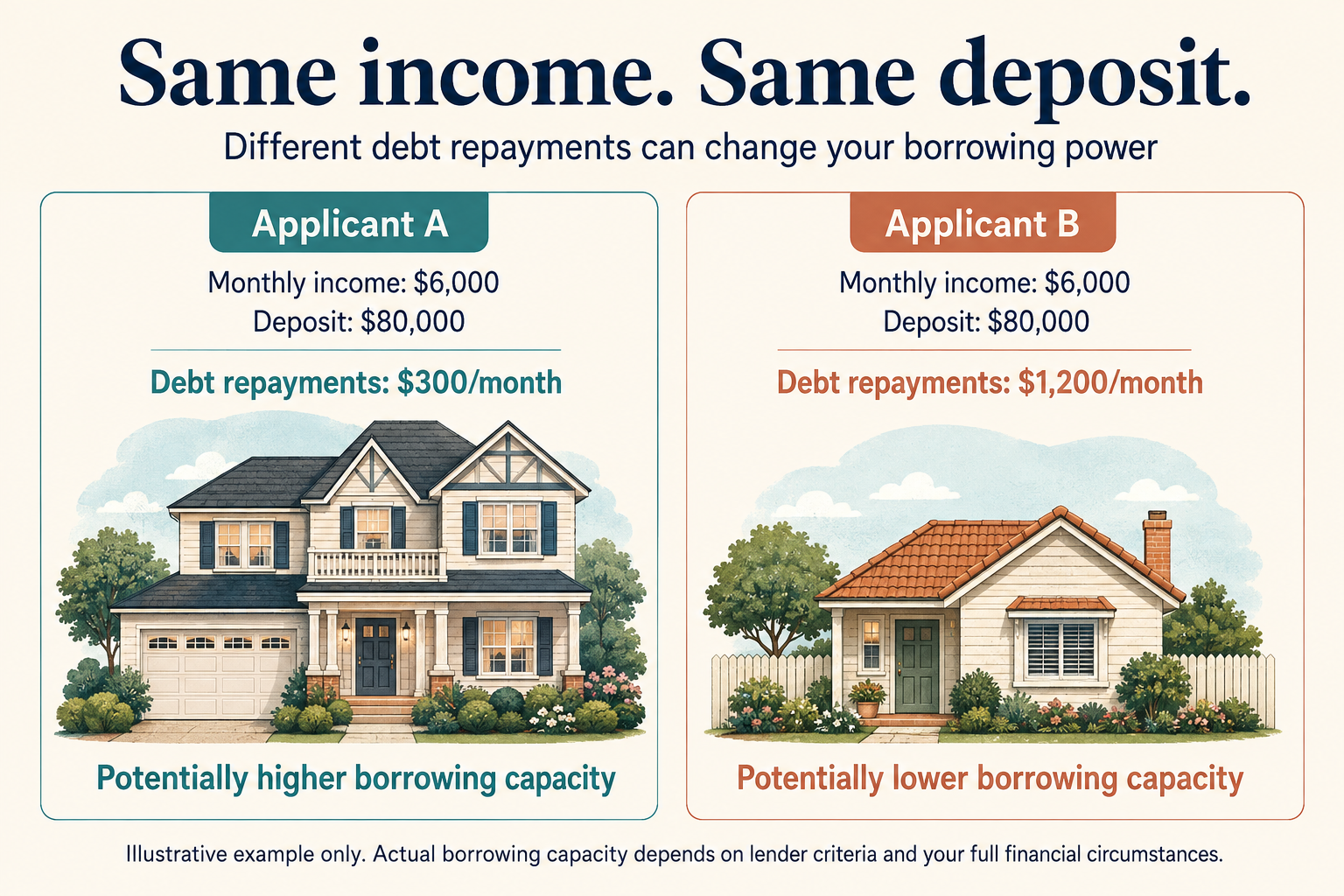
For example, two applicants with the same income and deposit may qualify for different mortgage amounts if one has substantial loan repayments and the other has very few.
Lending rules differ by country, lender and mortgage product. In the United States, for example, mortgage affordability assessments consider income, current debts and mortgage-related obligations.
How debt can reduce your borrowing power
The size of your outstanding balance matters, but so does the amount you must repay each month.
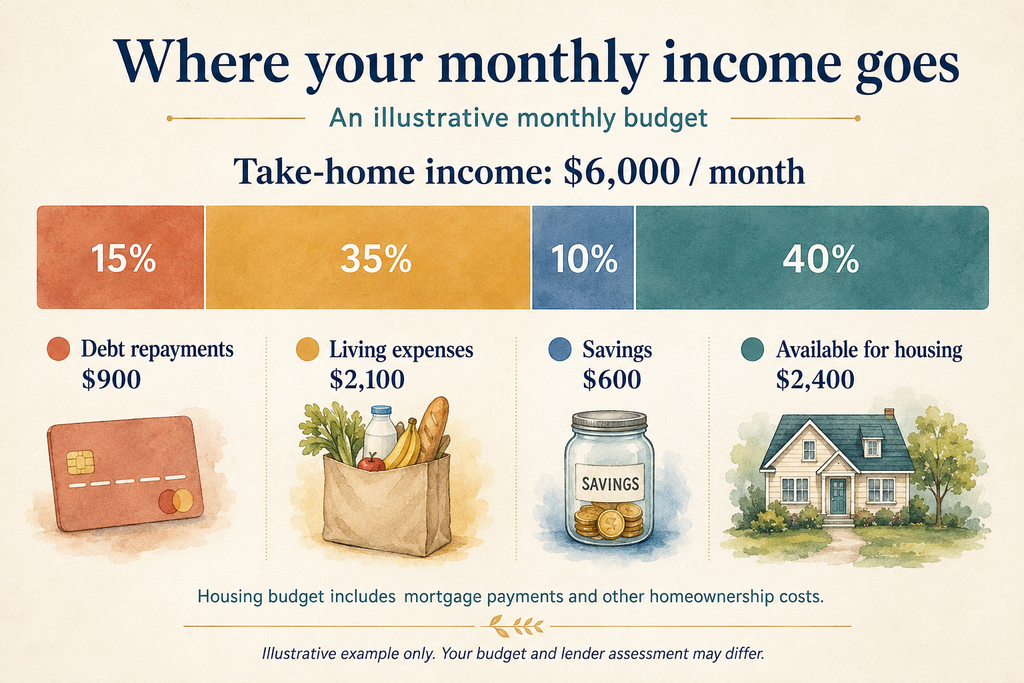
Imagine your monthly take-home income is $6,000 and your existing debt repayments total $900. That leaves $5,100 before everyday living expenses, savings and housing costs. Clearing a loan with a $300 monthly repayment would create extra room in your budget, although the lender would still need to assess your full financial position.
This is why reducing debt may improve borrowing capacity. It does not mean every dollar repaid increases your mortgage limit by a fixed amount.
Your repayment history matters too
Lenders also look at how you have managed credit. Late payments, missed payments and defaults can raise concerns about your ability to meet future commitments.
Your credit record may affect both mortgage eligibility and the interest rate offered. The influence of credit scores varies between markets, but reviewing your credit report before applying can help you identify errors that need correcting.
Having existing debt is therefore only part of the picture. Managing repayments consistently is also important.
Taking on new debt can complicate your application
A new car loan or a large credit card purchase can change your financial position just as you are preparing to buy.
Additional borrowing creates new repayment obligations. Applications for credit can also affect your credit score, so it is sensible to discuss planned borrowing with your mortgage adviser or lender before proceeding even if your mortgage application is already underway.
03 / WEIGHING YOUR OPTIONS
Should you pay off all your debt before applying?
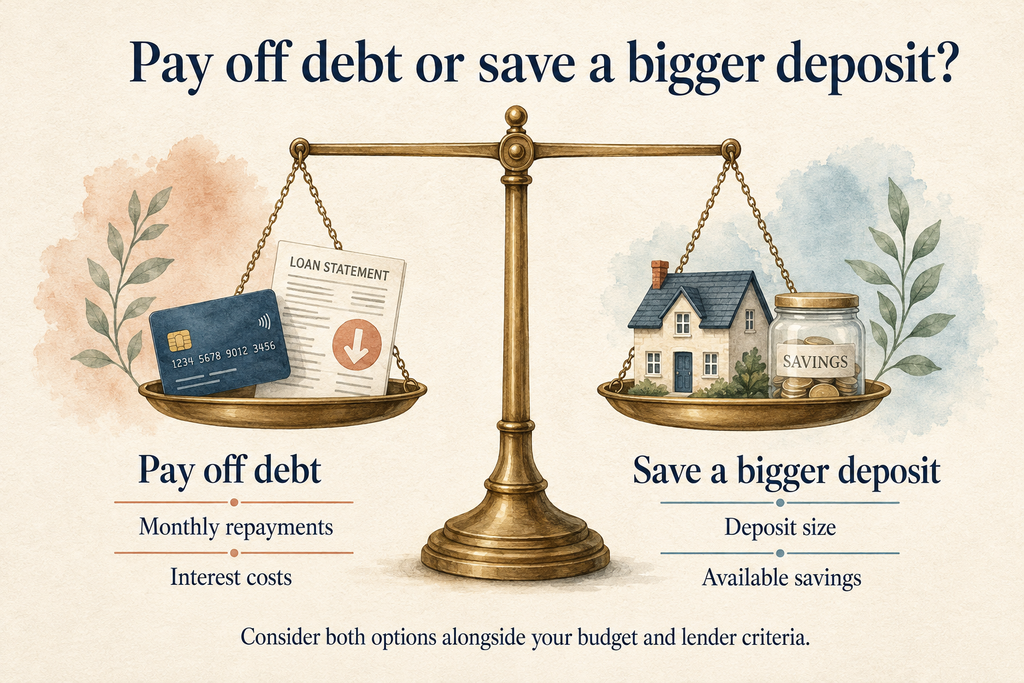
Not necessarily. Paying down debt can help, but using all your savings to clear it may leave you short of money for your deposit, purchase costs or unexpected expenses.
Before making a large repayment, consider:
- How much interest the debt costs.
- Whether the repayment will reduce your required monthly payments.
- Whether early repayment fees apply.
- How much money you will have left for the home purchase and emergencies.
Ask your lender or mortgage adviser to compare the effect of reducing debt with keeping a larger deposit. The most useful approach depends on your circumstances and the lender’s assessment.
How to prepare for your mortgage application
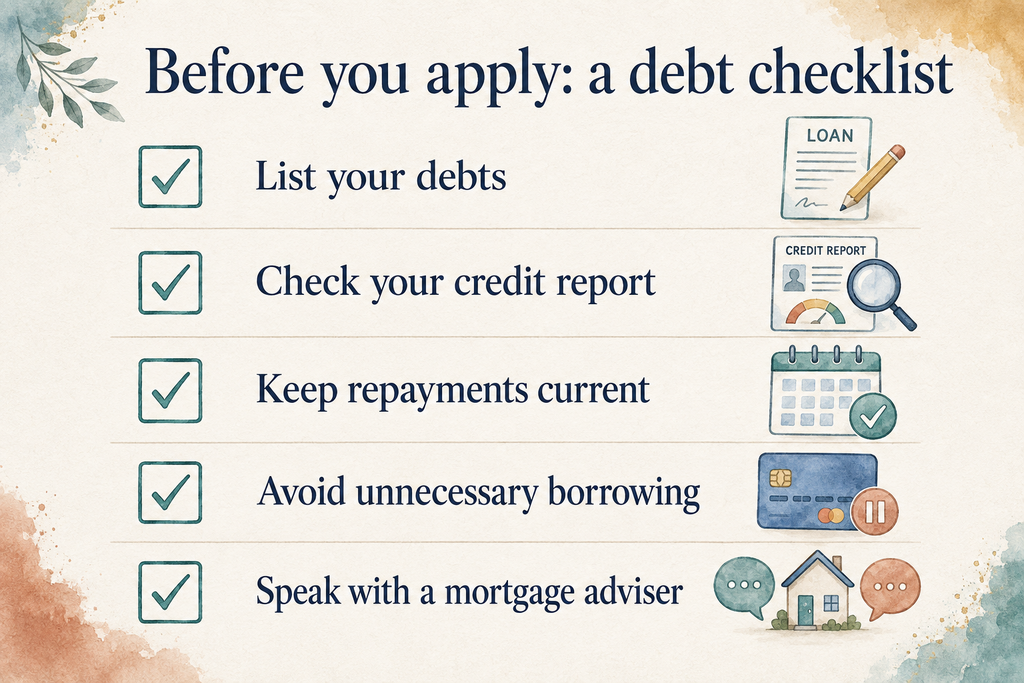
Start by listing your debts, outstanding balances and required repayments. This gives you a clear view of your commitments and helps you provide accurate information when applying.
Keep payments up to date, check your credit report and avoid unnecessary new borrowing. If you are paying down credit cards, build a budget that helps prevent the balances from growing again. The CFPB recommends reducing credit card debt and avoiding new loans or major credit purchases when preparing to buy a home.
Finally, speak with a mortgage adviser or lender early. Understanding how your existing debts will be assessed can help you set a realistic property budget and decide what to tackle before you apply.
You do not always need to be debt free to buy a home.
You do need enough room in your finances to manage the mortgage alongside your other commitments and still afford everyday life.

