
How Much Can I Borrow? first home guide
Your salary is only one piece of the puzzle. Learn what lenders look at when assessing how much you may be able to borrow for your first home in New Zealand.
Buying your first home is exciting, but one of the first questions most people ask is: “How much can I actually borrow?”
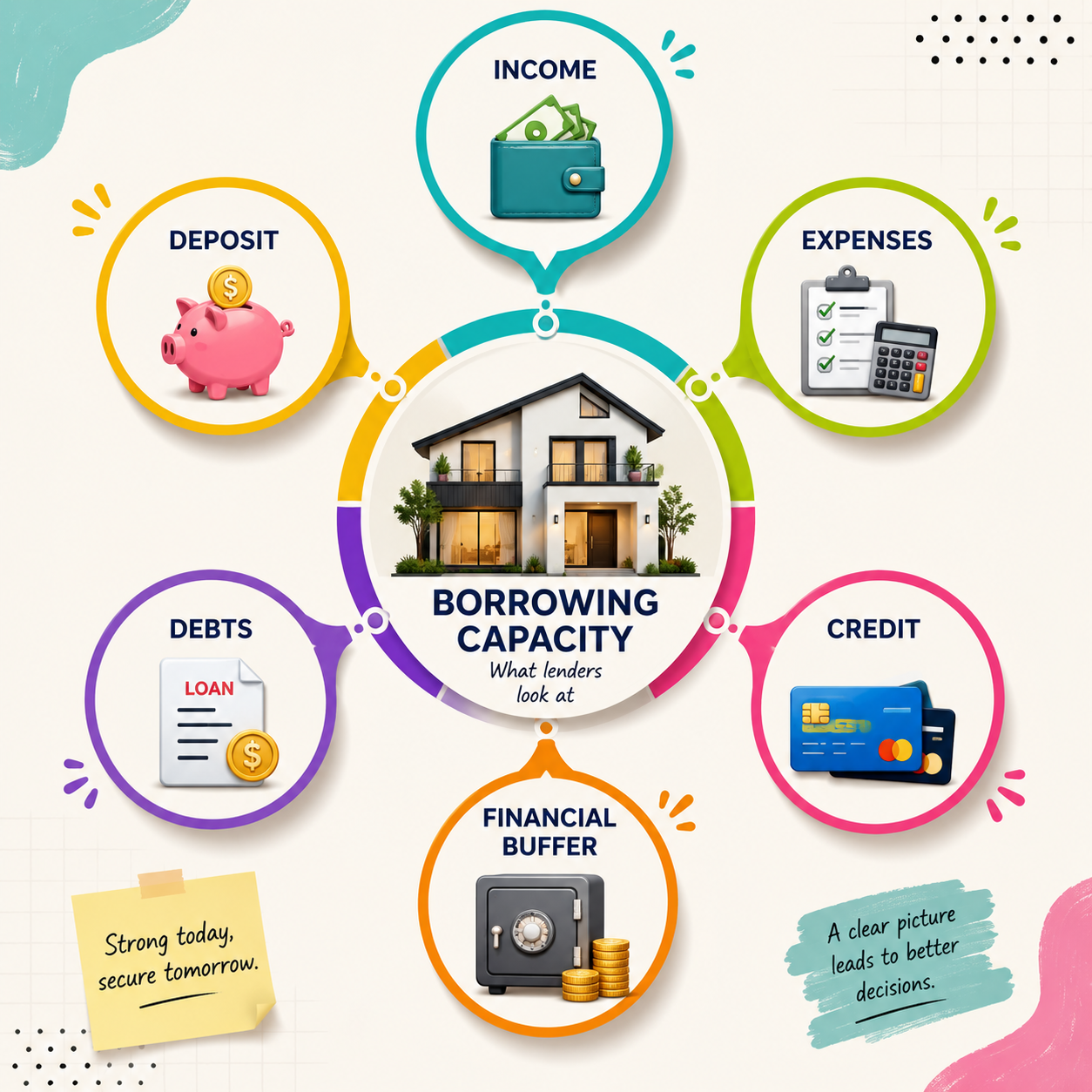
There is no single number that applies to every first home buyer. Two people earning the same income may be approved for very different loan amounts because lenders also consider existing debts, credit card limits, living expenses, deposit, dependants, interest rates and the overall strength of the application.
The good news is that you do not need to work everything out on your own. A mortgage adviser can assess your circumstances, compare lending options and help you understand what borrowing level may be realistic before you start seriously looking at properties.
What Does “How Much Can I Borrow?” Actually Mean?
Your borrowing capacity is essentially the amount a lender may be prepared to lend you based on your financial circumstances.
But there are two different questions first home buyers should consider:
1. How much will the bank lend me?
This depends on the lender’s assessment of your income, expenses, debts, deposit and ability to meet repayments.
2. How much can I comfortably afford?
These are not necessarily the same thing. A lender may determine that you can service a particular loan amount, but that does not automatically mean borrowing the maximum possible amount is the right decision for you.
The Main Factors That Determine Your Borrowing Capacity
1. Your income
Your income is one of the most important parts of a lending assessment. Depending on your circumstances, this could include salary or wages, regular overtime, bonuses, commission, self-employed income, rental income and other regular income accepted by the lender.
If you are applying with a partner, both incomes may be considered, subject to the lender’s requirements. However, earning a higher income does not automatically mean you can borrow proportionally more. Your other financial commitments still matter.
2. Your living expenses
Lenders want to know whether you can realistically afford the proposed mortgage repayments. They may consider groceries, utilities, transport, insurance, rates, childcare, medical and other regular costs, subscriptions, entertainment and other household expenses.
Your actual spending can therefore have a meaningful impact on your borrowing capacity. This is one reason it can be useful to review your bank statements and understand where your money is going before applying for a mortgage.

3. Your existing debts
Existing debts can reduce the amount you may be able to borrow. These could include personal loans, car finance, student loan commitments, Buy Now Pay Later accounts, existing mortgages and other lending facilities.
4. Your credit card limits
A credit card can affect your borrowing capacity even if you do not currently owe anything on it. Lenders may consider the available credit limit when assessing your potential financial commitments.
5. Your deposit
Your deposit is another important part of buying your first home. The amount you have available can influence the purchase price you can target, the amount you need to borrow, your loan-to-value ratio (LVR), which lenders may be available to you and whether additional lending requirements may apply.
What Is LVR and Why Does It Matter?
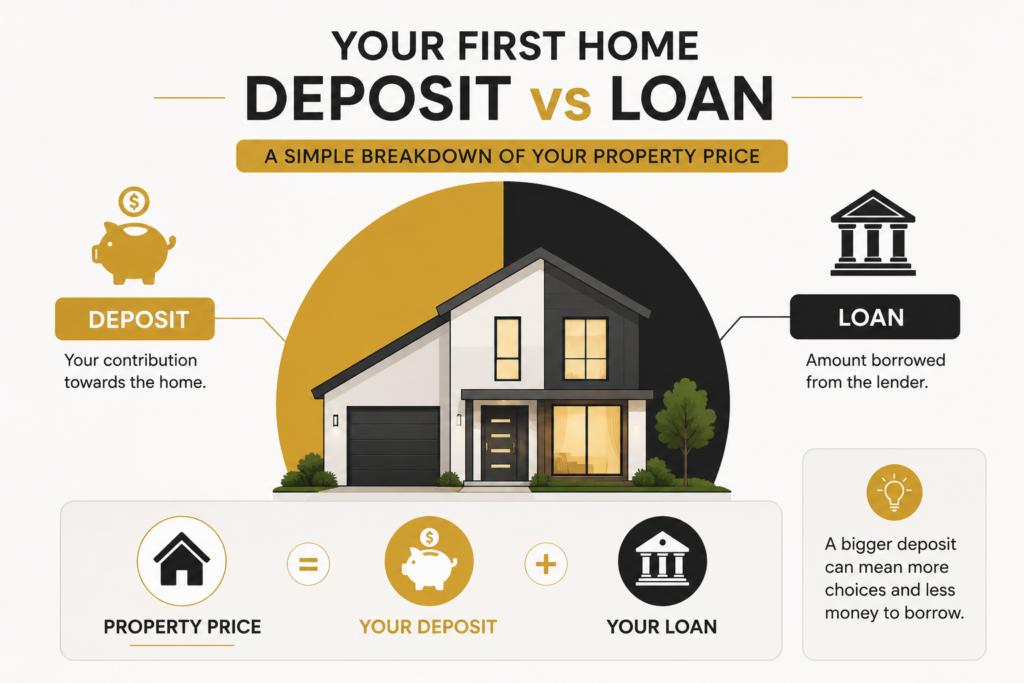
LVR stands for Loan-to-Value Ratio. It compares the amount you borrow with the value of the property. For example, if you purchase a property for $700,000 and borrow $560,000, your LVR would be 80%.
A higher deposit generally means a lower LVR. A lower LVR can potentially provide access to a wider range of lending options, depending on the lender and current lending criteria.
Your Interest Rate Can Affect How Much You Can Borrow
It is natural for buyers to focus on the interest rate they expect to pay. But when assessing a mortgage application, lenders may assess whether you could continue making repayments if interest rates were higher than the rate you are actually offered.
This is sometimes referred to as a serviceability assessment or affordability test. The purpose is to help determine whether your finances have enough capacity to cope with potential changes in lending costs.
How Much Deposit Do I Need as a First Home Buyer?
There is no single deposit amount that applies to every first home buyer. A commonly discussed benchmark is 20%, but some buyers may be able to purchase with a smaller deposit, subject to lender criteria and applicable lending rules.
Your deposit and your borrowing capacity are two separate pieces of the puzzle. You could have a strong income but a small deposit, or a large deposit but insufficient income to comfortably service the required mortgage.
Don’t Forget the Costs of Buying a Home
One common mistake first home buyers make is assuming every dollar of their savings can go toward the deposit. There can be other costs associated with buying a property, depending on your circumstances, including legal and conveyancing costs, property inspection, valuation costs where applicable, building reports, insurance, moving costs and immediate repairs or maintenance.
Remember: The maximum a lender may approve is not automatically the amount you should borrow. Keeping an appropriate financial buffer after purchasing can be just as important as getting the keys.
Can I Use an Online Borrowing Calculator?
Yes. An online calculator can be useful as a starting point. It can help you understand how different income levels, deposits, interest rates, loan terms and repayments may affect your potential borrowing position.
But an online calculator does not know everything about your financial circumstances. It may not accurately account for lender-specific policies, credit limits, existing debts, income types, dependants, property details or other application considerations.
Should I Borrow the Maximum Amount I Can?
Not necessarily. Think about whether you could still maintain an emergency fund, pay normal household expenses, handle unexpected repairs, save for future goals and cope if your income changes.
A mortgage should fit into your broader financial plan. The goal should not simply be “How much will the bank give me?” A better question is: “What level of borrowing allows me to buy a home while keeping my finances manageable?”
What Can First Home Buyers Do to Improve Their Borrowing Position?
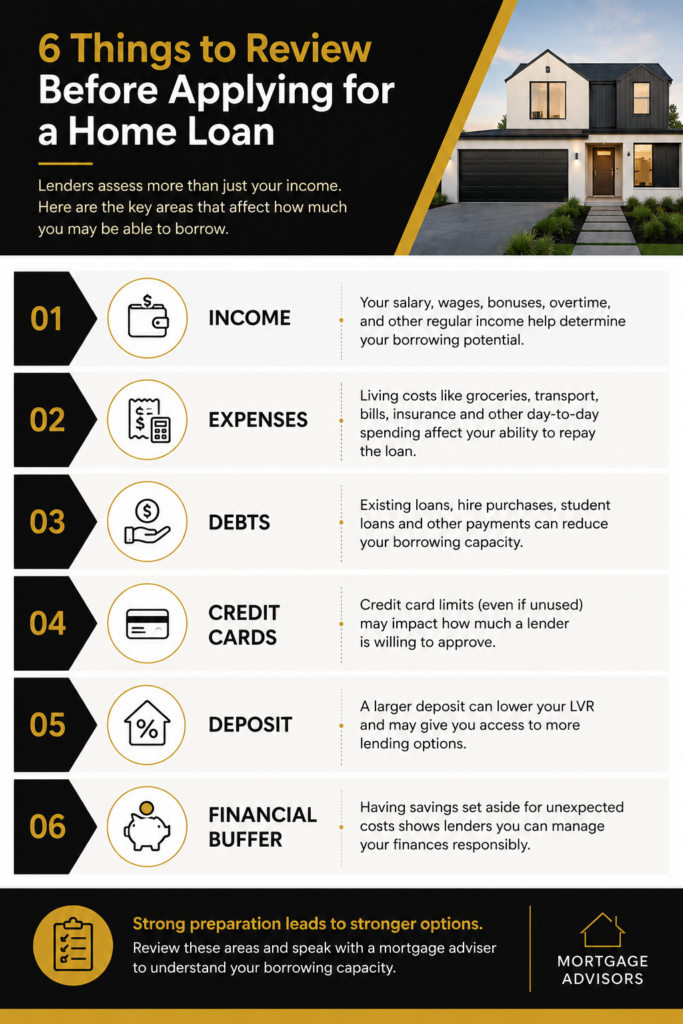
Review your spending
Look through your recent bank transactions and identify regular expenses you may be able to reduce.
Reduce unnecessary debts
If you have personal loans or other debts, consider how paying them down may affect your overall financial position.
Review credit card limits
If you have unused credit facilities, ask your mortgage adviser whether reducing unnecessary limits could benefit your application.
Build your deposit
The stronger your deposit position, the more options you may potentially have.
Avoid taking on new debt before applying
Taking out a new car loan or increasing credit limits shortly before applying for a mortgage could affect your borrowing assessment.
Get advice early
You do not need to wait until you have found your dream home before speaking with a mortgage adviser. Understanding your approximate borrowing position early can help you search within a realistic price range.
What Documents Might a Lender Need?
Depending on your circumstances, your mortgage adviser or lender may ask for identification, recent payslips, employment information, bank statements, evidence of savings, details of existing debts, credit card information, relevant savings or KiwiSaver documentation where applicable, property information once you have found a property, and additional documents for self-employed applicants.
Why Speak With a Mortgage Adviser Before House Hunting?
It can be tempting to start looking at properties first and worry about finance later. However, knowing your potential borrowing range beforehand can make the process much easier.
A mortgage adviser can help you understand: Your financial position → Potential borrowing capacity → Deposit requirements → Suitable lending options → Property price range.
Mortgage Advisors helps clients explore home loan options based on their individual needs and circumstances and can help explain available lending options across a panel of lenders. Learn more about Mortgage Advisors.
Your Borrowing Capacity Is Personal to You
There is no universal answer to the question “How much can I borrow?” Your borrowing capacity depends on the combination of income, deposit, existing debts, credit limits, living expenses, dependants, interest rates, loan structure, lender criteria, property details and your overall financial circumstances.
That is why two buyers with similar salaries can receive very different lending outcomes. The earlier you understand your position, the easier it can be to set realistic expectations and plan your first home purchase.
Frequently Asked Questions
How much can a first home buyer borrow in New Zealand?
There is no fixed borrowing amount for every first home buyer. Lenders consider income, expenses, debts, deposit, credit commitments, serviceability and other factors.
Can I buy my first home with a 10% deposit?
It may be possible in some circumstances, depending on current lending rules and the lender’s criteria. A smaller deposit can affect the lending options available to you.
Does my credit card limit affect how much I can borrow?
Yes. A lender may take available credit limits into account when assessing your ability to service a mortgage, even where you do not have an outstanding balance.
Does my student loan affect my borrowing capacity?
It can. Student loan commitments may be considered as part of a lender’s affordability assessment.
Can I borrow more if I earn more?
Generally, a higher income can improve borrowing capacity, but income is only one part of the assessment. Expenses, debts, deposit and other commitments also matter.
Should I pay off my debts before applying for a mortgage?
Paying down certain debts can potentially improve your borrowing position, but the right approach depends on your circumstances. Discuss your finances with a mortgage adviser before making major changes.
Can I use a mortgage calculator to find out how much I can borrow?
A calculator can give you a useful estimate, but it cannot guarantee what a lender will approve.
Is it better to borrow the maximum amount available?
Not necessarily. Consider whether repayments remain manageable alongside your normal expenses, savings goals and financial buffer.
Know Your Numbers Before You Start House Hunting
Don’t guess your borrowing capacity. Speak with Mortgage Advisors to discuss your circumstances and get a clearer picture of your potential borrowing options.
Contact Mortgage Advisors


