


A manageable weekly payment is only part of the picture. Understand the full cost, check your budget and know what you’re agreeing to before you borrow.
Before You Take Out a Personal Loan
A personal loan can help cover a planned expense, pay for an unexpected repair or combine existing debts. But the amount you borrow, interest rate, fees and repayment period all affect what you will pay.
Before applying for a personal loan in New Zealand, take a moment to avoid these five common mistakes.
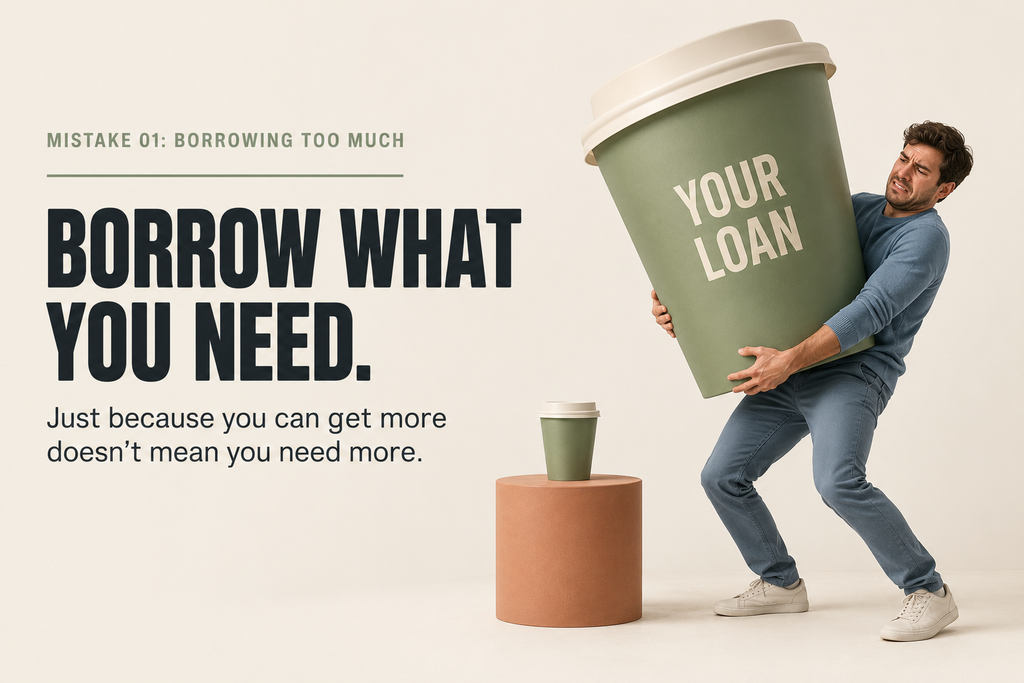
1. Borrowing more than you actually need
Being offered a larger loan can feel reassuring, but the extra money still needs to be repaid. Borrowing more than necessary increases your debt and may add to your interest costs.
Before applying, work out exactly what the money is for. Get quotes where possible and separate necessary expenses from optional purchases. For example, borrowing $12,000 for an $8,000 expense leaves another $4,000 to repay, plus any interest charged on it.
What to do instead : Build your borrowing request around the expense you need to cover. Work out what repayments you can comfortably manage before choosing a loan.
2. Choosing a loan based only on the interest rate
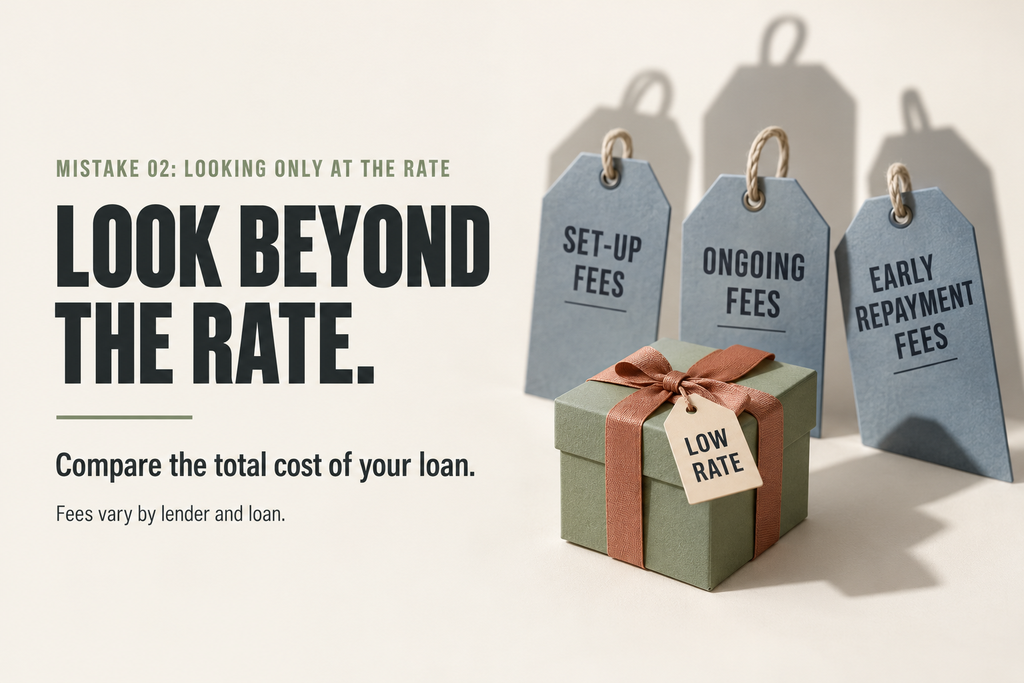
A low advertised interest rate can catch your attention, but it does not tell you everything about the cost. Your actual offered rate may also differ from the advertised starting rate.
Depending on the product, fees may include establishment charges, ongoing administration fees or early repayment charges. Ask for a written breakdown before accepting an offer.
- Your actual interest rate.
- All establishment and ongoing fees.
- Repayment amount, frequency and loan term.
- Total amount repayable.
- Conditions and charges for extra repayments or early settlement.
What to do instead : Compare quotes for the same loan amount and repayment period. Look at the total cost and conditions alongside the interest rate.
. Focusing on low repayments without checking the loan term
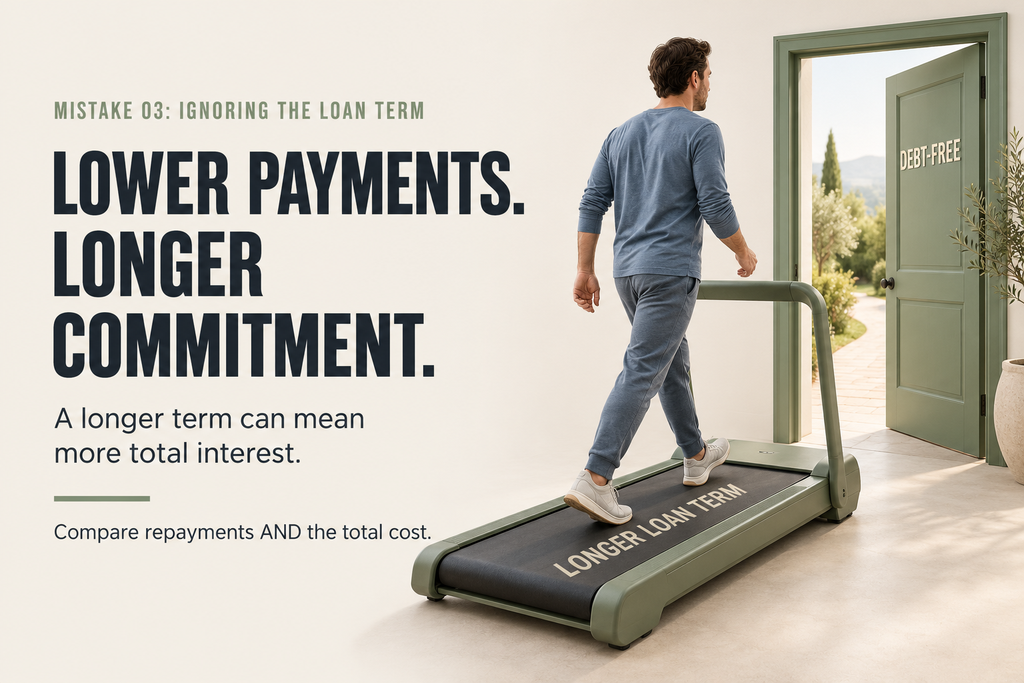
Smaller repayments can make a loan look more affordable, but they may come with a longer repayment period. For the same amount and interest rate, spreading repayment over more years generally increases total interest.
This matters when consolidating debt, too. Combining balances into one repayment may simplify your finances, but extending the term can increase the total cost.
What to do instead: Compare the regular repayment and the total amount repayable. Consider the shortest term you can comfortably afford while covering essentials and leaving room for unexpected expenses.
4. Applying without a realistic repayment budget
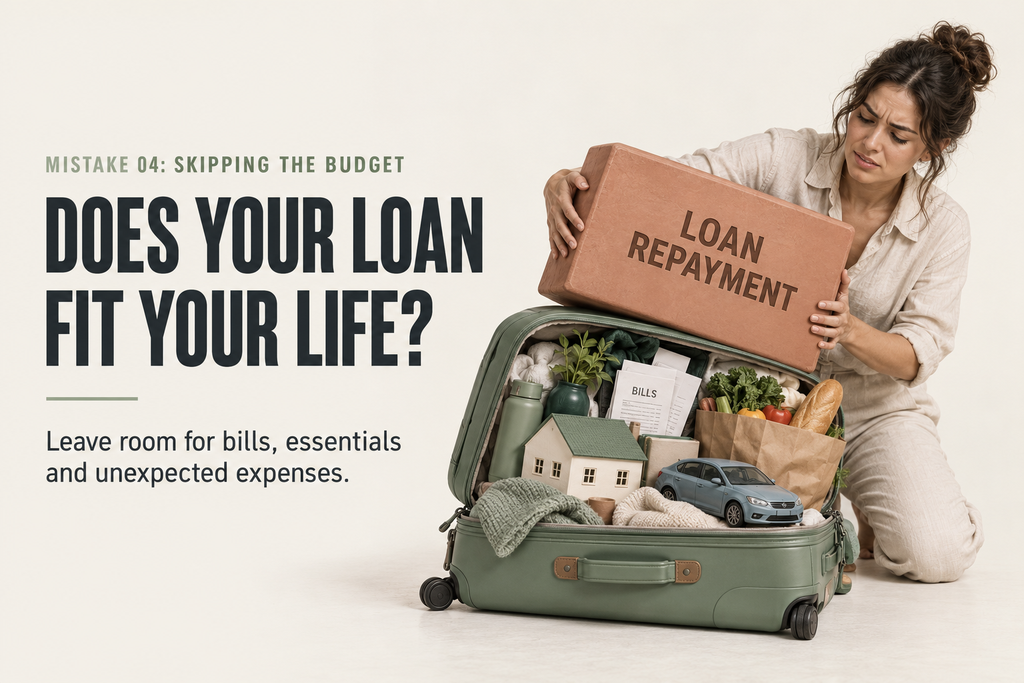
Your income is only part of the affordability picture. You also need to know what remains after everyday expenses and existing commitments.
Review rent or mortgage payments, groceries, utilities, transport, insurance, childcare, existing loans, credit cards and buy now, pay later repayments. Include irregular expenses such as vehicle servicing.
Avoid relying on overtime or bonuses that may not always be available to meet your repayments.
What to do instead : Use recent bank statements to build a realistic budget. Check that the proposed repayment leaves enough for everyday life without repeatedly borrowing again.
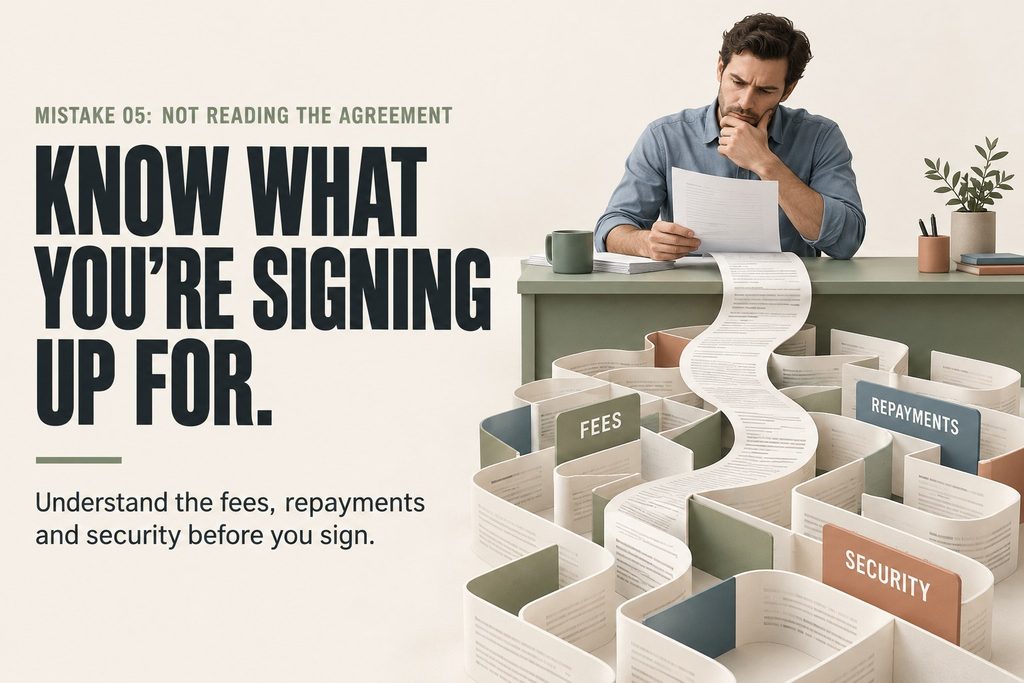
5. Signing without understanding the loan agreement
Approval is a good time to pause and review the agreement. Check repayment dates, interest terms, fees and what happens if you miss a payment. If you plan to repay early, ask whether charges apply.
Understand whether the loan is secured or unsecured. A secured loan uses an asset, such as a vehicle, as security. If you do not meet your obligations, that asset may be at risk of repossession.
What to do instead : Ask the lender or adviser to explain anything unclear. Make sure the written agreement matches the offer discussed, and understand any security requirements before signing.
The Lowest Repayment Isn’t the Whole Decision
When comparing personal loans, consider how the amount, rate, fees and repayment period work together. A smaller regular payment may help your cash flow, but it is also important to understand the total cost and how long you will be repaying the debt.
Questions to Ask Before Applying
- Am I borrowing only what I need?
- Have I compared the total cost of suitable options?
- Do I understand how the term affects total interest?
- Can I manage repayments within my usual budget?
- Have I read and understood the agreement?

requently Asked Questions
Should I borrow the full amount a lender offers?
Start with what you need and what you can comfortably repay. An offer for a larger amount does not mean that borrowing more is the right choice for you.
Does a lower interest rate always mean a cheaper loan?
Not necessarily. Compare fees, the repayment period and the total amount repayable alongside the interest rate.
Can I pay off my personal loan early?
Check your agreement. Conditions and charges for additional payments or early settlement vary between lenders and products.
Will debt consolidation always save money?
No. Combining debts can simplify repayments, but fees and a longer loan term can increase the total cost. Compare the proposed loan with the costs and remaining terms of your existing debts.
What is a secured personal loan?
A secured loan uses an asset, such as a vehicle, as security. If you do not meet your obligations, that asset may be at risk of repossession.
Talk to Mortgage Advisors
Considering a personal loan? Talk to Mortgage Advisors about your borrowing needs, budget and the options that may be available for your circumstances.

