


What Does a Mortgage Broker Actually Do?
Buying a home is one of the biggest financial decisions you will make. For many New Zealanders, that means arranging a mortgage—and the mortgage process can quickly become confusing.
You may have questions like: Which lender should I choose? How much can I borrow? What interest rate can I get? Should I fix my rate or choose a floating option? And what documents will the bank need?
This is where a mortgage broker can help.
But what does a mortgage broker actually do?
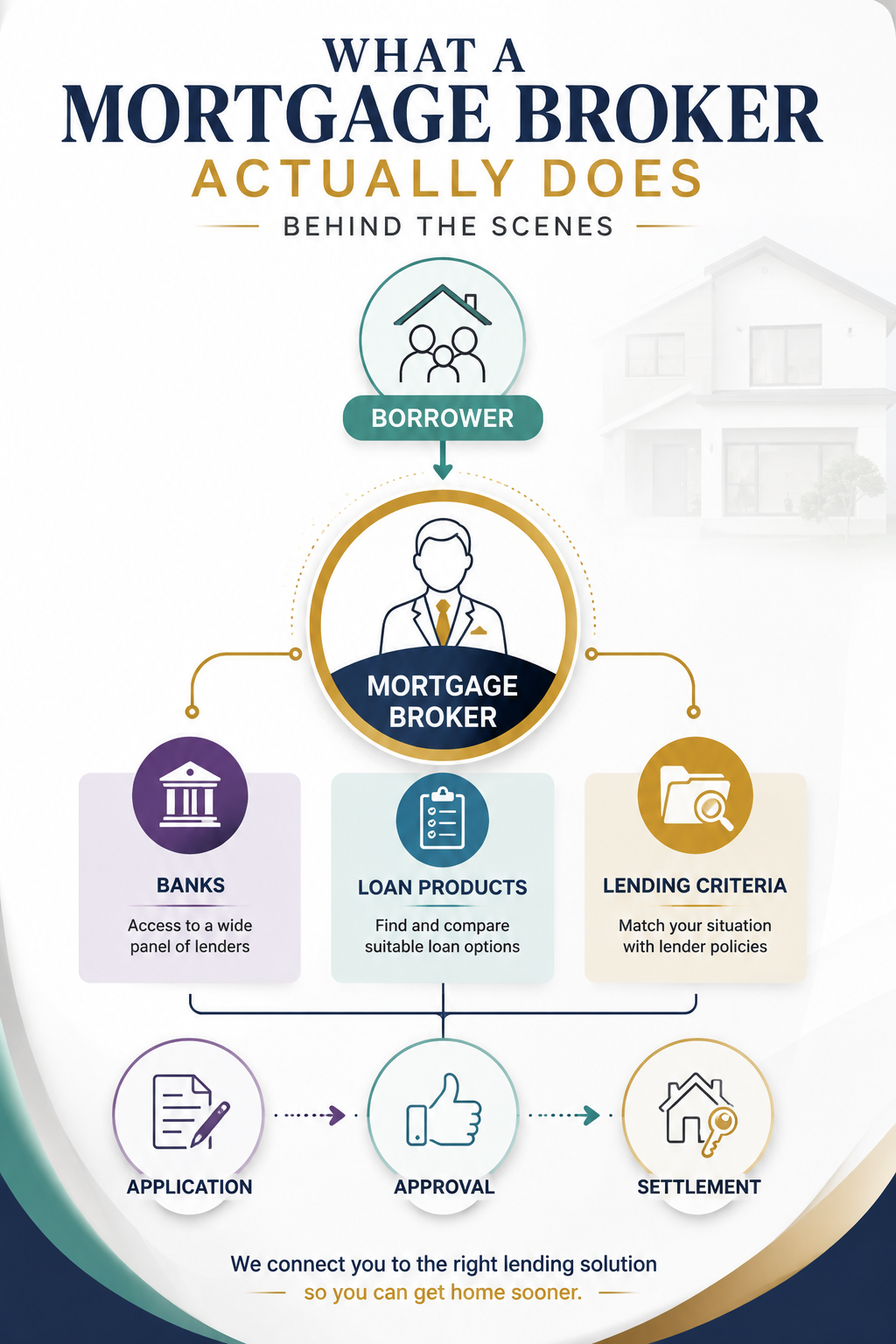
In simple terms, a mortgage broker helps you navigate the home-loan process by understanding your financial situation, comparing suitable lending options, preparing your application and communicating with lenders on your behalf.

Who Is a Mortgage Broker?
A mortgage broker is a professional who helps borrowers find and arrange mortgage finance.
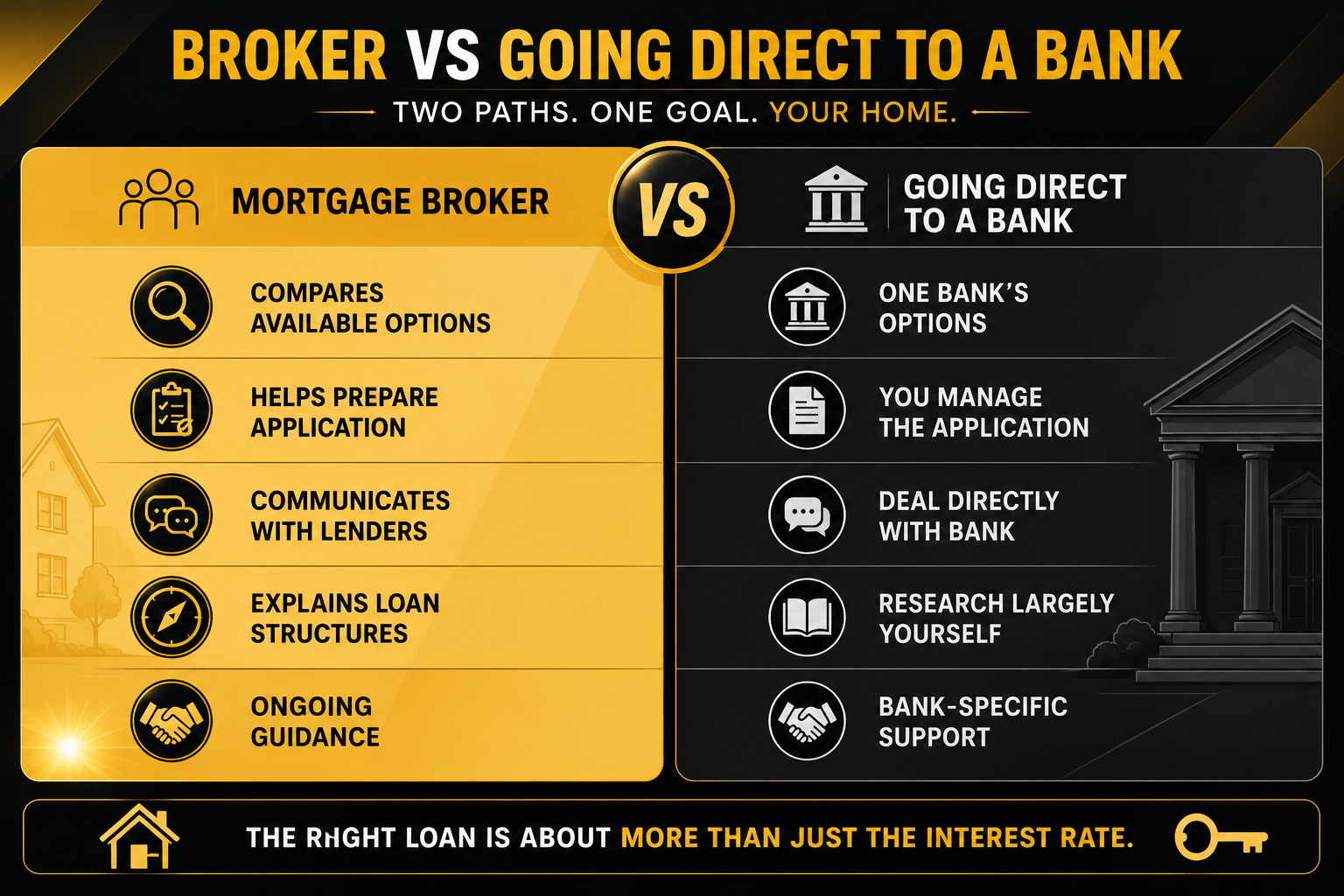
Instead of approaching banks one at a time yourself, a broker can assess your circumstances and help identify lending options that may suit your needs.
What a Broker Assesses:
- Your income and employment
- Existing debts and financial commitments
- Your deposit or available equity
- Your credit history
- Your expenses and living costs
- The type and value of the property
- Your short- and long-term financial goals
The goal isn’t simply to find the lowest advertised interest rate. A suitable mortgage needs to work for your overall financial situation.
What Does a Mortgage Broker Actually Do?
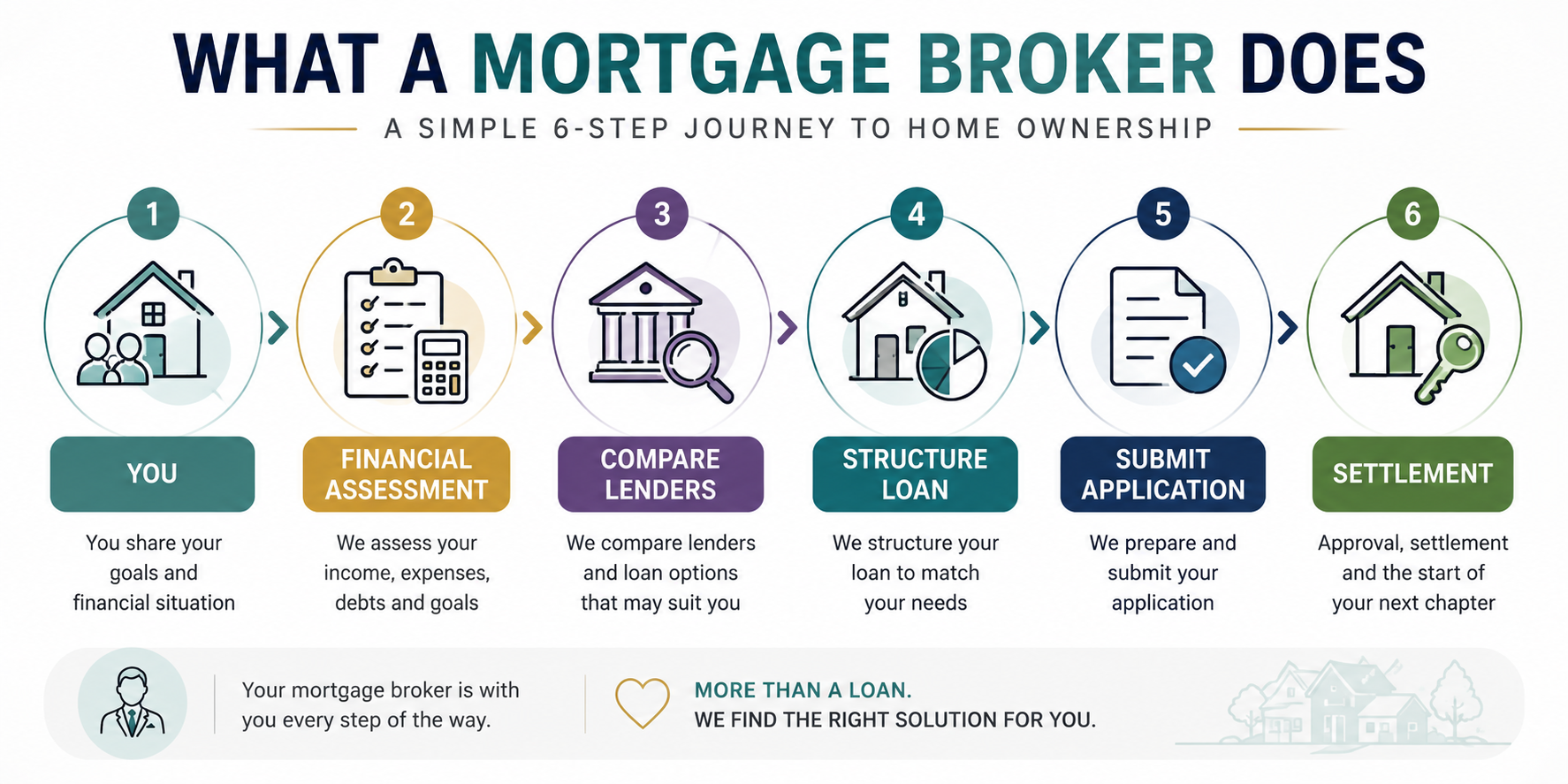
1. Understands Your Financial Situation
The first step is usually a conversation about your circumstances. A broker may ask about your income, expenses, savings, debts, existing mortgages, dependants and future plans.
This helps establish what type of lending structure may be appropriate and what lenders might be worth considering. For example, a first-home buyer with a 20% deposit may have different lending options from an existing homeowner looking to refinance and access equity for renovations.
2. Helps You Understand Your Borrowing Capacity
One of the most important questions for any home buyer is: “How much can I afford to borrow?”
A mortgage broker can help estimate your potential borrowing capacity based on your income, expenses, debts and the lender’s lending criteria. However, borrowing capacity isn’t the same as affordability. Just because a lender may approve a certain amount doesn’t necessarily mean you should borrow the maximum available. A good mortgage conversation should also consider whether the repayments comfortably fit within your household budget.
3. Compares Lenders and Loan Options
Different lenders can have different lending policies. One lender might be more suitable for a straightforward PAYE application, while another may have policies that better suit self-employed borrowers, contractors, investors or borrowers with more complex income.
A broker can compare lending options based on your circumstances and explain the differences, including:
- Interest rates & Fixed/Floating options
- Loan terms & repayment structures
- Cashback or incentives
- Loan features, fees, and lending criteria
4. Helps Structure Your Mortgage
A mortgage isn’t necessarily just one loan with one interest rate. Depending on your circumstances, your mortgage could potentially be divided into different portions. For example, you might have part of your mortgage fixed for a particular period while keeping another portion floating or structured differently.

5. Prepares Your Mortgage Application
A mortgage application involves more than simply filling out a form. Your broker can help you understand what information and supporting documents may be required, such as proof of income, bank statements, identification, evidence of savings, details of existing debts, and property details. Getting the application prepared correctly helps reduce unnecessary delays.
6. Presents Your Application to the Lender
Once your application is ready, the broker submits it to the appropriate lender(s) and provides additional clarification if the lender has questions about your application.
7. Negotiates With Lenders
A mortgage broker may also communicate with lenders regarding interest rates, loan structures, lending conditions, or cashback offers on your behalf.
8. Helps With Refinancing
Mortgage brokers don’t only help people buying their first home. They can also assist existing homeowners who are considering refinancing due to fixed terms ending, equity release, renovations, debt consolidation, or changing financial circumstances.
Do Mortgage Brokers Only Help First-Home Buyers?
No. Mortgage brokers work with a wide range of borrowers, including:
- First-home buyers: Helping understand deposits, borrowing capacity, and the application process.
- Existing homeowners: Helping review or refinance their current mortgage.
- Investors: Assessing lending structures for property investment.
- Self-employed borrowers: Presenting complex business and personal income information clearly.
- Borrowers with complex income: Explaining multiple or non-traditional income streams.
Does Using a Mortgage Broker Cost You Money?
This is one of the most common questions borrowers ask.
Mortgage broker remuneration can vary depending on the broker, lender and type of lending involved. In many cases, the lender pays the broker a commission when a loan settles, but borrowers should ask the broker how they are paid and whether any fees may apply to their particular situation.
Always ask about fees, commissions, and any potential costs before proceeding.
What Should You Ask a Mortgage Broker?
- Which lenders do you work with?
- How are you paid? Are there any fees I need to pay?
- What documents will you need from me?
- How will you assess my borrowing capacity?
- What mortgage structure might suit my situation?
- What happens after my application is submitted and how will you keep me updated?
- Can you help me with refinancing later?
- What are the risks or disadvantages of the options you’re recommending?
Why Could a Mortgage Broker Be Worth Considering?
The biggest benefit of using a mortgage broker isn’t necessarily getting a particular interest rate. It can be the time, guidance, and support involved in navigating the lending process.
Whether you are buying your first home or looking to restructure an existing loan, a broker helps connect your financial circumstances and goals with lending options that may be appropriate for you.
Ready to Explore Your Mortgage Options?
Get in touch with a qualified mortgage adviser today to discuss your circumstances and understand what options may be available to you.

